
LENOIR, N.C. – Not surprisingly, an article I wrote on Jan. 1 about the increasing health threat that the flu is creating in communities and hospitals was received with skepticism. I’m used to it. What I’m not used to is the level of outright rage directed at me personally for stating objective facts.
Generally, I just let people have their say and don’t respond. This time though, one assertion – that my article conveyed hysteria – must be addressed. It does not. It speaks to the importance of preparedness.
Preparedness is not hysteria, it is leadership.
I suppose it was my fault, as in the article, I stated that hospitals should gather their Incident Management Team (IMT), set up it’s Hospital Incident Command Center (HICC) and activate the Emergency Operations Plan (EOP). I suppose it is possible that somebody would read that and think I meant people should be standing by 24/7, poised to respond to any flu case.
That is not what I meant. What I should have stated is that these steps simply mean the hospital is in a heightened stated of preparedness for a possible influx of flu patients based on situational awareness. It is worth noting again that HICC is flexible and designed to conform to the situation, whether urgent or emergent.
Mass Casualty Incident Moves Up the List
Indeed, as I pointed out in the first article, community disaster preparedness officials, public health leaders, first responders, hospitals (first receivers) and others have a leadership responsibility to identify community threats and take all the necessary steps to prepare for any new threats.

There is a new one, that in a number of communities, constitutes a greater threat than customary – a Mass Casualty Incident.
This development is a classic example of why the command structure is flexible. A flu outbreak can strain a hospital’s resources and is hence urgent. However, A mass casualty incident is emergent. We’ve already seen people shot and drug through the streets. Warrantless searches are common. The people of many communities are rising in opposition to these policies. The provocative tactics of federal law enforcement, the increasing tensions between the feds and immigrants and their millions of citizen allies are concerning.
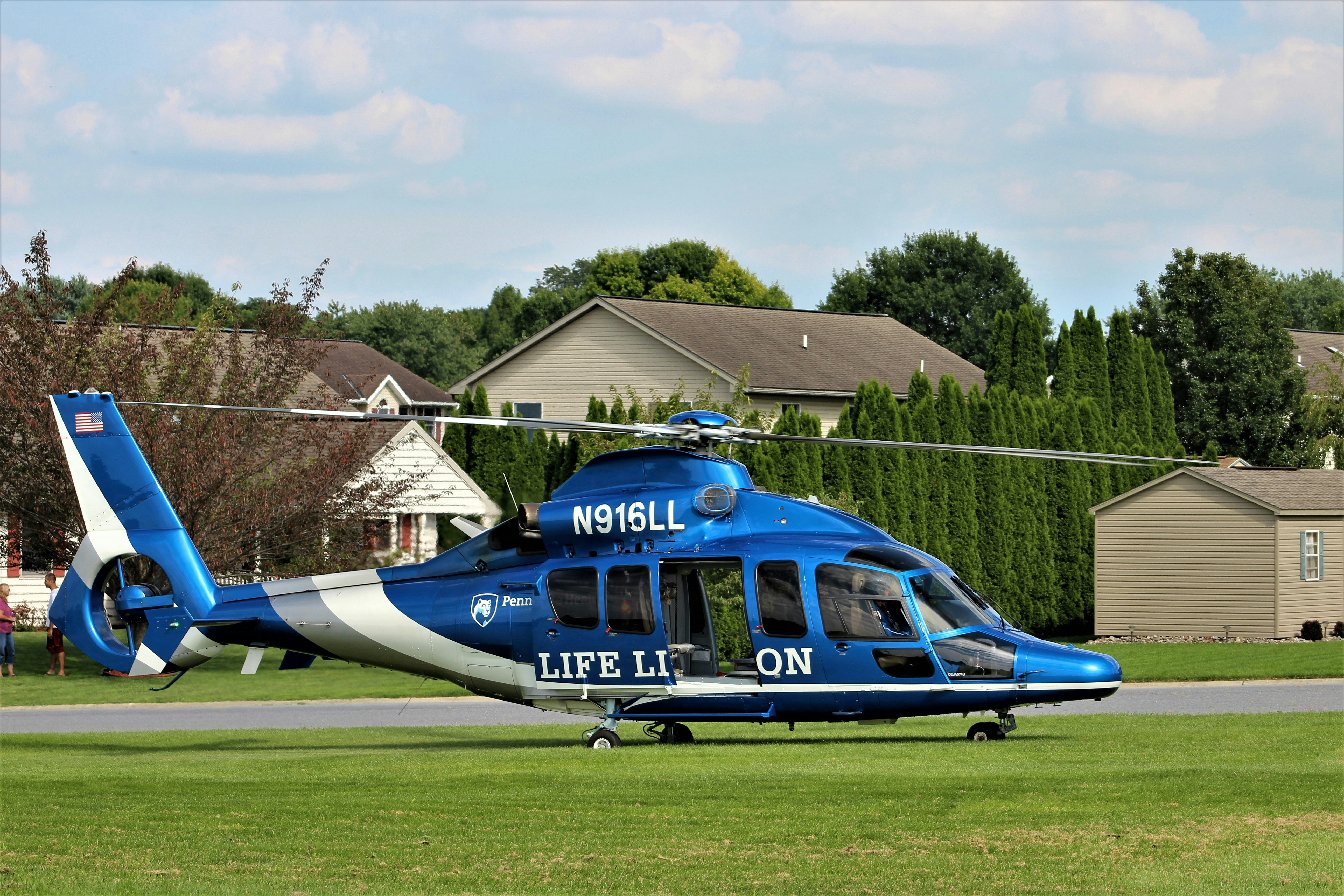
While politicians and citizens can debate the causes for these threats, that they exist is objectively true. A mere tiny spark could be the catalyst of a mass casualty incident; for now, it must be moved up the Hazard Vulnerability Analysis (HVA or Threat Analysis) so that appropriate preparedness and response plans can be reviewed, exercised and updated.
Am I being hysterical? I certainly hope so. Unfortunately, I simply think I’m doing what experience and training require of me – Be Prepared!
© Michael M. Barrick, 2026. ‘Emergency’ Photo by Aconitumon Unsplash; Ambulance Photo by Yassine Khalfallion Unsplash; Medvac Photo by Elias Nullon Unsplash; Cemetery Photo by Scott Rodgersonon Unsplash
 Appalachian Chronicle