LENOIR, N.C. – According to the Journal of the American Medical Association (JAMA), the rapidly emerging A(H3N2) influenza variant is increasing mortality and morbidity rates, while states and hospitals report surges in cases and hospitalization. JAMA reports, “At present we are confronted with the recent emergence of another A(H3N2) variant that will likely cause reduced effectiveness of this year’s influenza vaccines and potentially another severe season.”
Some quick takeaways of the A(H3N2) flu variant through Dec. 31:
- 7.5 million illnesses (Source: CDC)
- 81,000 hospitalizations (Course: CDC)
- 3,100 deaths (Source: CDC)
- 8 pediatric deaths (Source: CDC)
- Only 20 percent of adults are immunized in NC (Source: NCDHHS)
- It is highly contagious (Source: JAMA)
- Causes severe illness with high rates of deaths and hospitalizations (Source: JAMA)
- Current flu vaccines have low efficacy rates (30-40% adults; 75% children. Source: JAMA)
- Data from wastewater surveillance has also shown a concerning rise in H3N2 viral load, suggesting widespread community transmission (Source: JAMA)
- Additionally, the winter has started off cold in the middle of holiday seasons, increasing the volume and density of people gathering.
- Also, public health and private health care industry capacities for traditional proven mitigation and response activities have been reduced through decisions at the federal, state and local level.
- In North Carolina, The Charlotte Observer reported Dec. 29, that according to the North Carolina Department of Health and Human Services (NCDHHS), hospitals in Charlotte and the Triangle have seen a nearly 500 percent increase in H3N2 admissions from the first week of November through the first week of December.
- Schools will be re-opening after the holiday break just as the H3N2 variant is primed for a rapid outbreak.
All Roads Lead to the Hospital
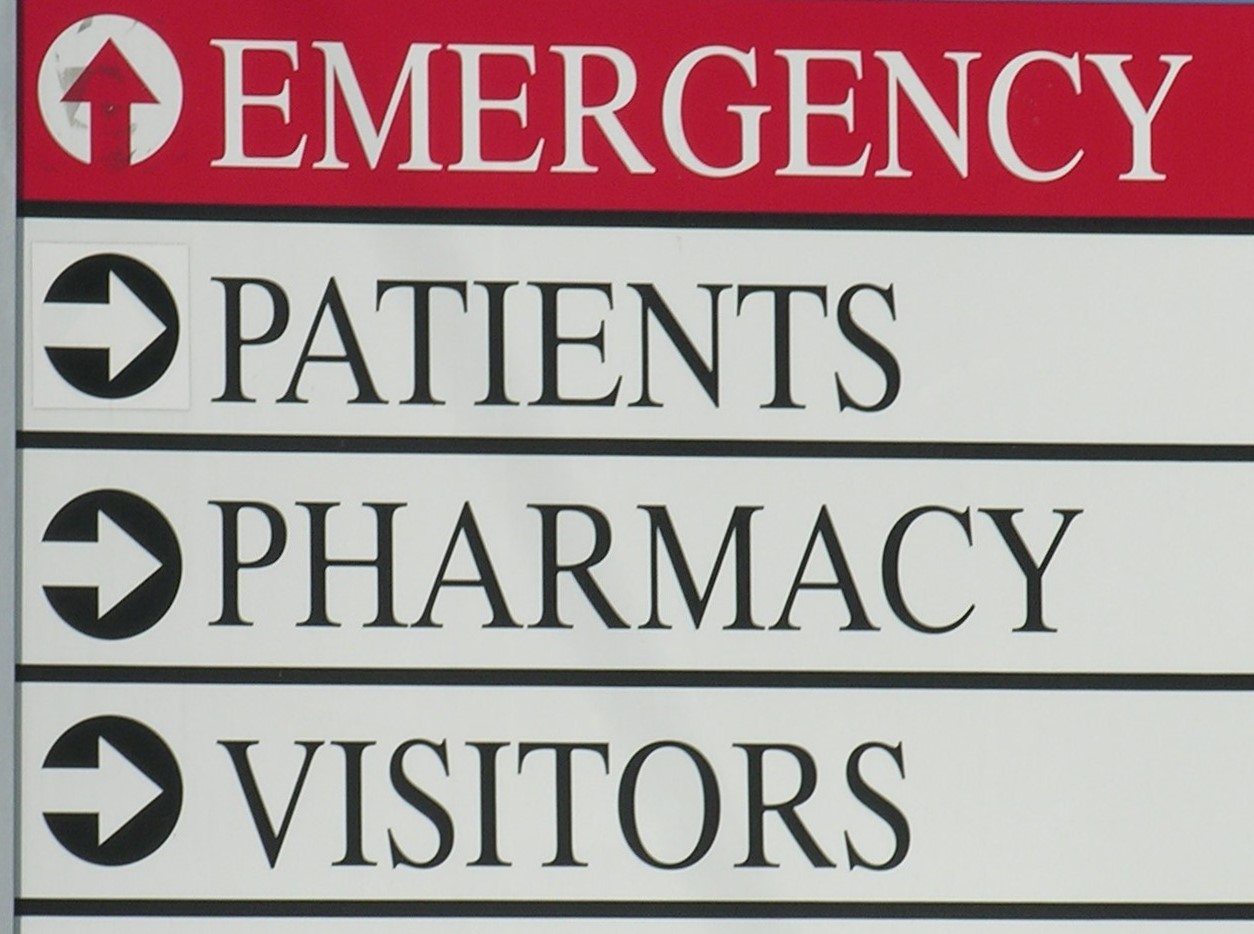
So, as JAMA reports, “Hospitals are bracing for potential surges in flu-related admissions as this variant continues to spread, highlighting the importance of preparedness in healthcare facilities.”
The JAMA article warns, “ … influenza A(H3N2) has the highest evolutionary rate and usually causes more severe epidemics with greater excess mortality and morbidity, especially in older adults. In the US, the 2024 to 2025 influenza season, caused predominantly by a mix of A(H3N2) and A(H1N1) viruses, caused severe impact across all age groups, including children (Table).2 ,3 This was despite estimated vaccine effectiveness of 63% to 78% in children and adolescents and 41% to 55% in adults in reducing influenza-associated hospitalizations.4 Inadequate vaccine uptake (Table), delays in seeking health care, and failure to make timely use of available antivirals were likely contributory factors.”
Long story short, this season’s influenza is deadly serious. In such a time, it is essential to remember that, as professionals in the disaster preparedness field say, “All roads lead to the hospital.”
I know, as I was the Safety Officer and Disaster Preparedness Coordinator at a 350-bed hospital during the H1N1 outbreak in 2009. Beginning in late April and running for almost exactly a year, we implemented our Emergency Operations Plan, Incident Management Team and Influenza Response Plan. We knew that we would be impacted and what would be required of us. That knowledge did not come by happenstance. It was the result of following the basics of the Emergency Preparedness process – Mitigation, Preparedness, Response, and Recovery.
Below is just brief summary of what goes into following that process, and what goes on behind the scenes in a hospital that is dedicated and determined to fulfill its mission for such a time as this.
Situational Awareness
The Incident Management Team (IMT), Hospital Incident Command Center (HICC) and Emergency Operations Plan (EOP) should be activated now based on current information. The immediate objectives are to ascertain Situational Awareness to ensure Hospital Continuity of Operations, Readiness Level of the ED, CCU/ICU, L&D, and OB/GYN, and begin implementing appropriate sections of the Emergency Operations Plan. And, expect the unexpected.
EOP
The EOP provides guidance on Patient Management, Communications, Resource & Asset Management, Security and Safety, Staff Roles & Responsibilities, Utility Management and other hospital functions.
Mitigation
Mitigation is designed to lessen the severity and impact of an emergent event; Preparedness is to identify needed resources and build capacity; Response is implementing pre-planned strategies for patient care, communications, safety & security and more; Recovery is returning to normal operations. Mitigation steps for H3N2 should include various drills (should already be done, but if an event is quite long, it is advisable to make time to run through scenarios from lessons already learned, if possible); vaccinations; stockpiling supplies such as PPE, medicines, consumables, durables, food, etc.; and employee education.
Preparedness
Preparedness steps include activating a well-prepared Incident Management Team (IMT); implement lessons learned from drills and exercises; contact community stakeholders; develop daily internal reporting of patient census, vulnerable populations, staff absences, medicines and supplies.
Response
If not yet done, gather the IMT and set up the EOP and HICC. Also, the hospital hopefully has developed an Influenza Surge policy. The key response activities include triage & treatment; vital daily information received by the IMT; infection control surveillance; surge control; and, employee health guidelines.
At this point, some tough decisions need to be made. What steps will take to ensure vigilant surveillance? What is in place to isolate and protect patients, staff and others, including negative pressure rooms and the availability and proper use of Personal Protective Equipment (PPE)? What are the policies on vaccinations and PPE, and how are they enforced? Will limits be placed on visitors? This has already been done in North Carolina.
Conclusion
As you have already experienced or seen among your circle of family, friends and workmates, this influenza can definitely put you in the hospital. It’s no fun for you. Your preferred hospital should be ready to take care of you should it become necessary. It’s their job to be ready for you. Should you find yourself there, they will be busy. So, do yourself a favor and do what you can to protect yourself from the flu.

© Michael M. Barrick, 2025. Barrick has a post-graduate Certificate in Community Preparedness and Disaster Management from the University of North Carolina Gillings School of Global Public Health, served as the Safety Officer/Disaster Preparedness Coordinator at two hospitals, and worked as an EMT/Paramedic in the 1970s in Charlotte. Ill person photo by Olga Kononenko on Unsplash


Very well written, straightforward.
There is a quadfecta-flu, Covid, Noravirus and RSV.
TY for all your efforts.
Will you be close to the route of the Monks walking for Peace?
Blessings, and happy new year,friend
“May Light always surround you;
Hope kindle and rebound you.
May your Hurts turn to Healing;
Your Heart embrace Feeling.
May Wounds become Wisdom;
Every Kindness a Prism.
May Laughter infect you;
Your Passion resurrect you.
May Goodness inspire
your Deepest Desires.
Through all that you Reach For,
May your arms Never Tire.”
― D. Simone
Theresa,
Thank you. I’m about 100 miles from the route.
[…] N.C. – Not surprisingly, an article I wrote on Jan. 1 about the increasing health threat that the flu is creating in communities and hospitals […]