By Monroe Mohler
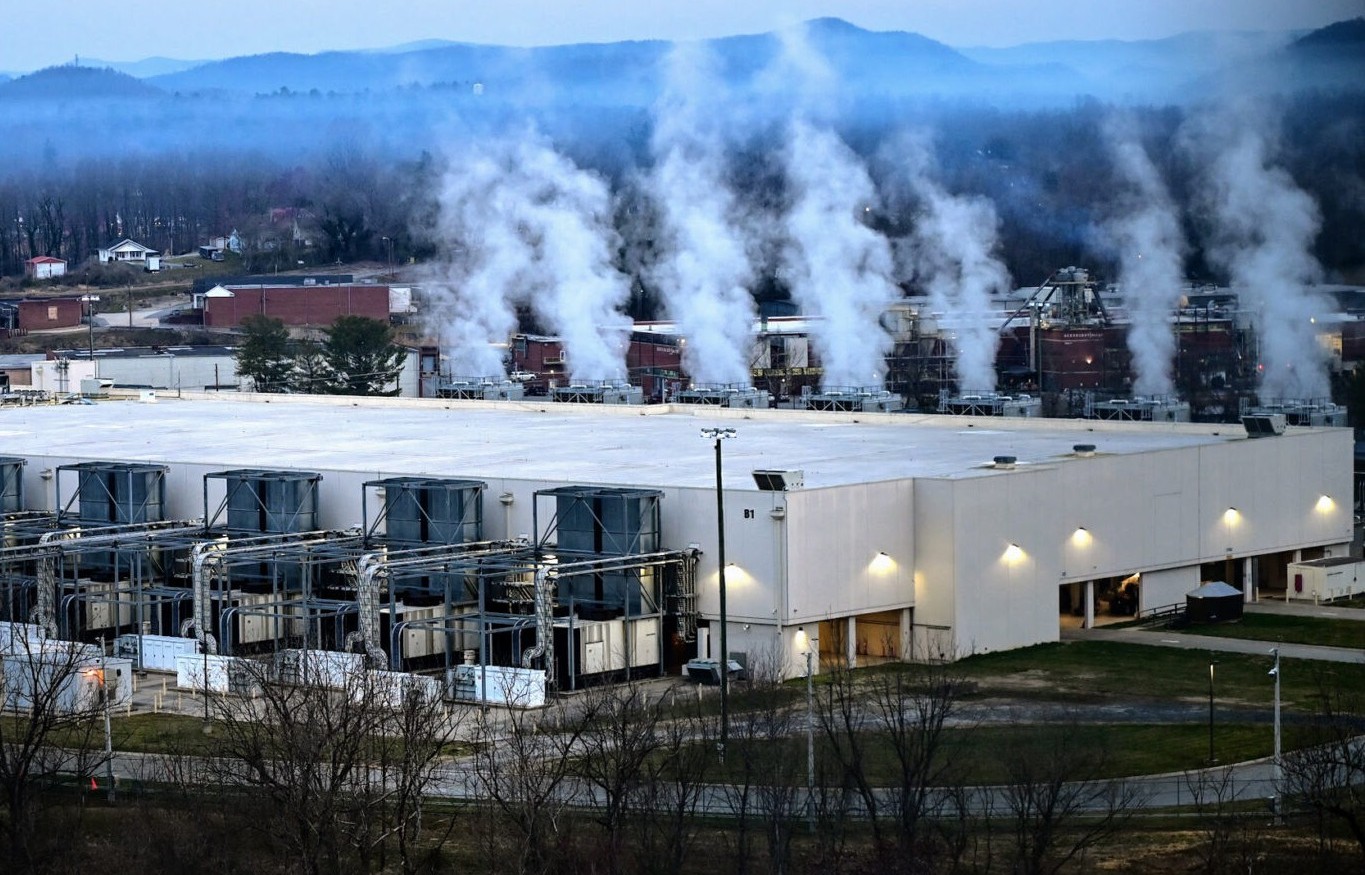
There is a growing controversy surrounding the use of data centers. There are active contestants questioning the environmental impacts of data centers and some raising constitutionality concerns. Data centers are facilities that store, process, and deliver digital information. In the modern world, data centers are important. Whenever you send a text message, upload information to the cloud, or even stream a movie, you are making use of a data center. While understanding the importance of data centers, we must also recognize the need to regulate them. While these centers do not emit much pollution themselves, the power plants that run them do. The environmental law surrounding data centers implicates the Clean Water Act (CWA), the Clean Air Act (CAA), and the National Environmental Policy Act (NEPA).
1) Clean Water Act
The CWA regulates water withdrawals and discharge into United States waters (WOTUS). For wastewater discharge to occur, one must get a National Pollutant Discharge Elimination System (NPDES) permit. The purpose of this is to protect water quality by regulating discharge into navigable waters. The CWA does not regulate data centers directly however, it applies to how the centers use and discharge water that is used in cooling the system. Data centers use a lot of water annually and that number can vary depending on the size of the facility. The Environmental and Energy Study Institute claims that a small center uses roughly six (6) million gallons of water per year with the largest centers using over a billion gallons a year. These cooling systems produce wastewater that must be filtered and released somewhere. This wastewater can contain chemicals like biocides, and corrosion inhibitors. Thermal pollution can also be a concern as discharging water that is too hot can harm aquatic life if disposed of in streams, rivers, or lakes. This is the purpose of requiring the NPDES permit.
2) Clean Air Act
The CAA is the primary federal law that regulates air pollution. Data centers typically rely on large diesel or natural gas generators for emergency power. While the CAA does not target data centers specifically, it does regulate the equipment and emissions that they rely on. Data centers make use of a lot of electricity. Consequently, these centers are tied to emissions from power plants. For these centers to comply with the CAA they must have the required permits, and must undergo Prevention of Significant Deterioration (PSD) review. For compliance purposes, a PSD review must show that the equipment and emissions will not significantly worsen air quality.
3) National Environmental Policy Act
Data centers often trigger environmental review. This is a result of the federal funding, land use, and permits involved in creating them. Environmental Impact Statements (EIS) and Environmental Assessments (EA) are required. The EIS is a document that must be submitted by the entity who will be responsible for the center, and it requires them to make a statement that informs the public about potential environmental consequences before a project moves forward. These consequences generally include ecological, economic, and social impacts. The main concerns tackled by EIS and EA are potential habitat destruction, energy demand, and water consumption.

Case Study: Monroe County, West Virginia
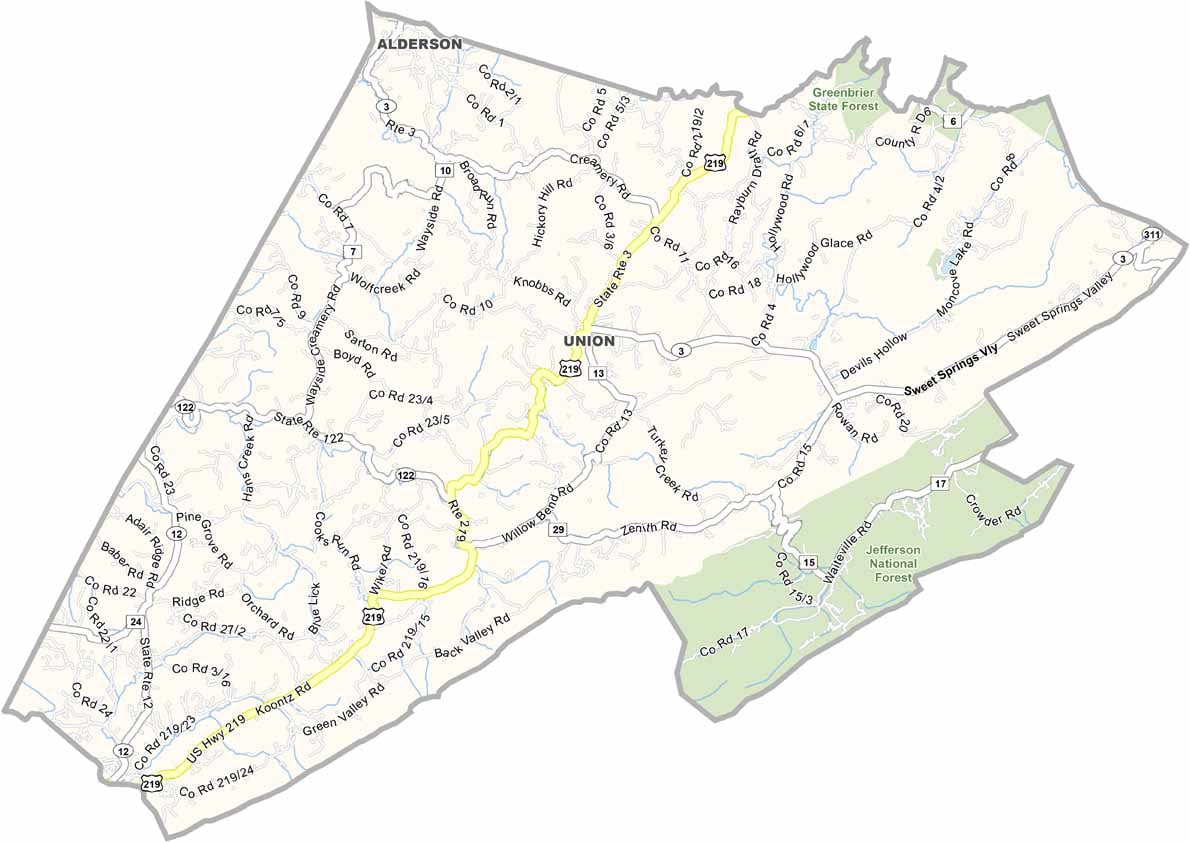
Monroe County is a small rural area and according to the government Census, it is home to roughly 12-13 thousand people. A report earlier this year by WV News stated that there was a proposed multi-billion dollar data center project for Monroe County. This would be a massive operation in a county home to just 13,000 people. The Monroe County Commission released a statement in February stating that a data center company visited a potential site located in Ballard, though they have no knowledge of whether this plan will move forward. Many officials have come forward to express concerns about infrastructure strain. In a small rural area, such a large project can strain roads, power, and water.
While a project like this could encourage development in the area, we need to examine the strain on resources that it could cause in a small rural area. An important law to keep an eye on is House Bill 2014 (HB 2014). This is a 2025 law that West Virginia lawmakers have advanced to encourage development in the state, and allow large, energy intensive projects. According to Mike Tony of the Charleston Gazette-Mail, the widespread opposition to the law comes from the bill calling to “strip communities of local control and requiring removal of most of the property tax revenue the projects would generate from local taxing bodies, a move estimated to cost counties and school districts millions.” This is millions of dollars and other resources that Monroe County officials should ask if we have. I write not to change your opinion, but to give insight on what a large data center might do to an area like Monroe County.

© Monroe Mohler, 2026. Monroe Mohler is a 2nd year student at the Appalachian School of Law, Grundy, Va; and the son of Rod and Reba Mohler, of Union, W.Va. This article is provided courtesy of The Monroe Watchman of Union. Map Source: https://uscountymaps.com/monroe-county-map-west-virginia/. Computer Photo by John on Unsplash; Earth photo by NASA.
Related Articles
WV lawmakers advance controversial rule deeming data center proposals controversial by the Charleston Gazette-Mail
Google Announces New, Two-Year $1 Billion Investment in North Carolina by the City of Lenoir
What Is the Economic Impact of Data Centers? It’s a Secret by Inside Climate News
Data Drain: The Land and Water Impacts of the AI Boom by Lincoln Land Institute of Land and Policy
Google data center plan raises tax, transparency questions in rural Missouri by the Missouri Independent


[…] An Environmental Analysis of Data Centers […]