By Ron Sinclair
Are you like me? I’m paying attention to what is going on around us, and there are no words adequate to describe how distressed it makes me. We have blatant corruption at the highest levels of our government, and it filters down to even local government. What is wrong with us when so many seem to not care about what is happening to our democratic republic?
In the preface to his 1985 book, “Amusing Ourselves to Death,” Neil Postman wrote: “Orwell warns that we will be overcome by an externally imposed oppression. But in Huxley‘s vision, no Big Brother is required to deprive people of their autonomy, maturity and history. As he saw it, people will come to love their oppression, to adore the technologies that undo their capacities to think. In his book ‘Brave New World,’ it seems Huxley was a prophet.”
When I write a serious essay like this, it receives fewer views and comments than those I write about relationships or the farm. Perhaps we need the reminders that underneath all the crap, life is still good and worth living. We need the reassurance that there is still beauty and goodness and kindness in our world. It seems we need hope and relief from the constant inundation of financial pressures and political turmoil that makes our souls hurt. I confess that I need these things desperately too, and that is why I search for and remember them so I can write about how they make me feel.
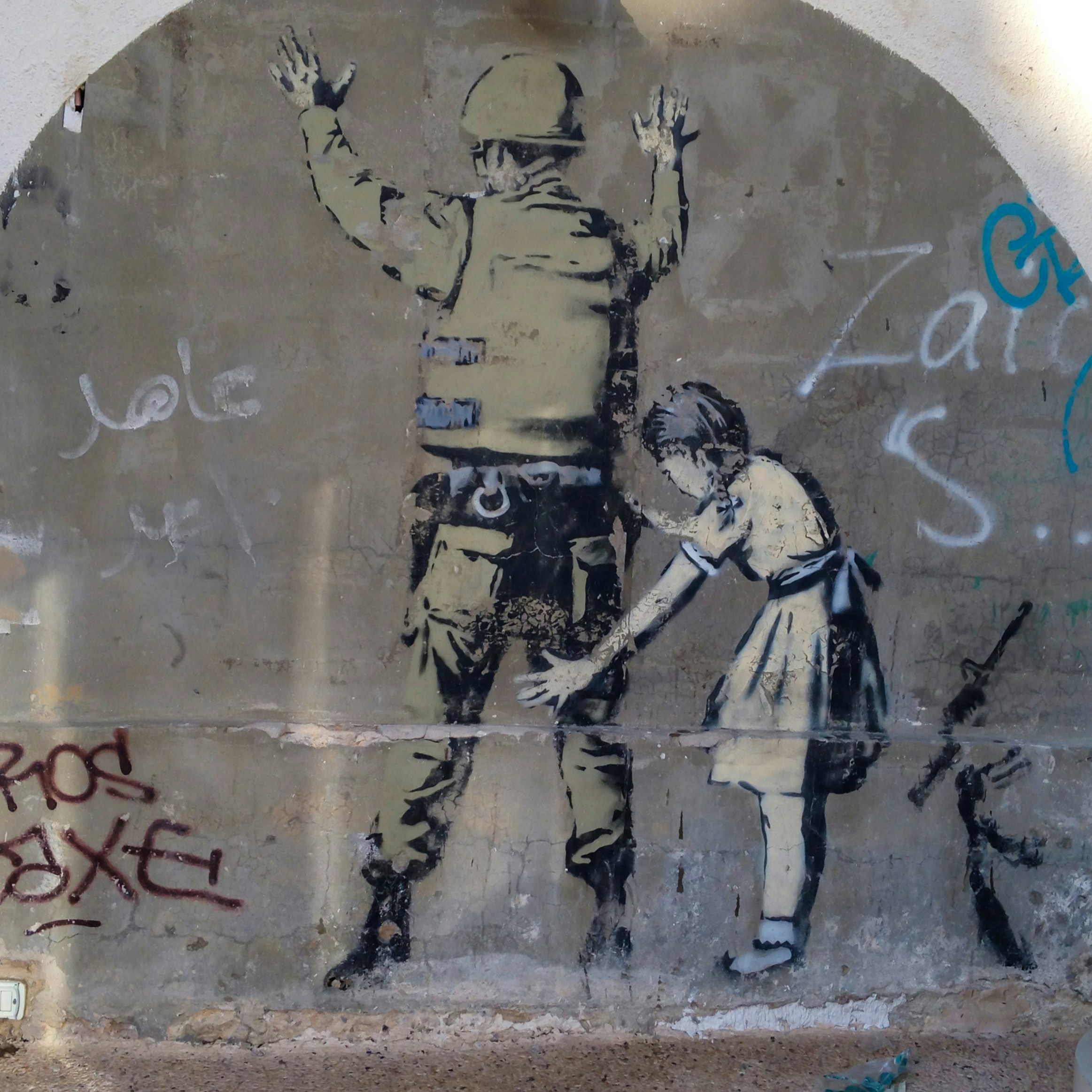
Yet the assaults on our democratic republic are occurring at breakneck speed. I had never heard of “Flooding the Zone” until I became awash in it. Our societal values are being pummeled into submission under a relentless barrage of greed and power grabbing. The system of checks and balances instituted in our governmental structure by the founding fathers have been breached by an executive branch operating like a mafia family. Lies order each of our days. Ignoring laws and the legal framework that maintain a civil society have become almost hourly occurrences on multiple fronts. Congress and the supreme court have abdicated their responsibilities to a single man and those in his inner circle. And that inner circle seems to have no compassion for the people they were elected to serve. Their top financier has publicly stated that “Empathy is the great weakness of western civilization.”
I believe in America. But we are not living in the America I once knew. I know that nothing ever stays the same, but I never dreamed that we would abandon the concept of a “common good.” We are fractured in every aspect of our society. Where we once believed that our success and wealth and high standard of living could be spread to alleviate suffering in our own country and indeed the world, we have turned inward, convinced that no one can be trusted. We seek to literally wall ourselves off as we sit in judgement of everyone else, particularly those with whom we disagree. We celebrate greed, yet see no problem with policies that make the richest even richer still, while hurting ourselves and our standard of living in the process.
The foundational principle of democracy is that power rests with the people. We even claim so in our Declaration of Independence. Have we really succumbed to the shiny gold things that distract us to the point that we forget that freedom is more than being able to say and do anything we wish as individuals? When Thomas Paine wrote “Those who expect to reap the blessings of freedom, must, like men, undergo the fatigues of supporting it,” he was echoing the beliefs of our founding fathers in a communal freedom. Individual freedom can only be achieved when the common good is met, and the entire community is free. By separating us, our elected leaders fail us. And by allowing ourselves to become separated, especially to the point of hating and alienating the “other,” we fail ourselves.
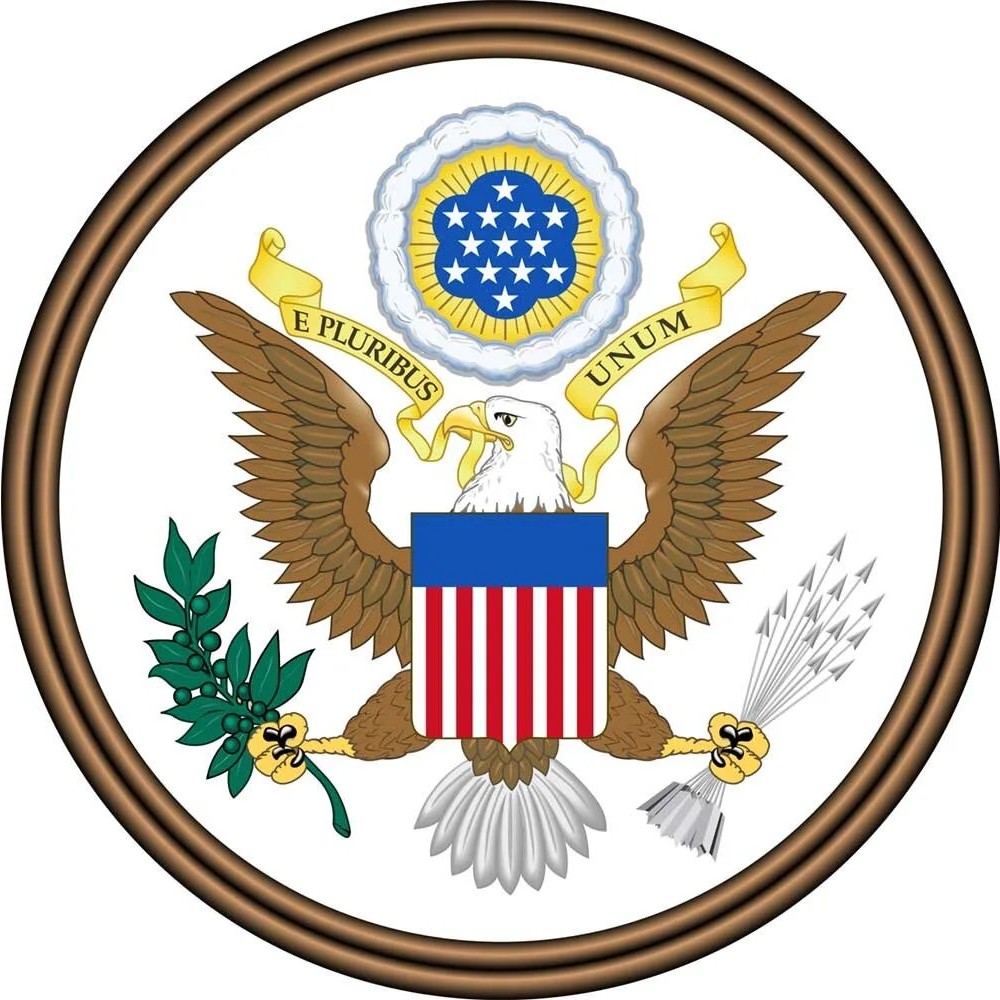
In 1782, Congress adopted a Latin phrase that they believed symbolized our nation. That phrase was e pluribus unum, and it translates into “out of many, one.” It is part of the Great Seal of the United States, is printed on our money, and formed the framework of policies that made our nation a “melting pot” of the world. It emphasized that by working together, we accomplish more than we ever could alone. It emphasized the common good as a way of life, as did the entire framework of our founding documents.
It’s time to stop following the leaders who only seek to conquer and divide. Government has become a team sport spectacle. Neither party has a monopoly on good ideas. That’s why our founders developed a system of checks and balances that would prevent too much power from falling into the laps of one branch or the other. They established a system designed to force us to find ways to work together. To debate and find the best solutions for the nation, not for the party or for one individual.
And we need to stop treating politics like it is a death match, cheering for “our side” whether they are right or wrong. Our politics has become an entertainment spectacle. That spectacle has us at each other’s throats, and our democratic republic is in a death grip. And we are so “into the game,” that we cannot see it.

Today is Memorial Day. It’s raining here, so I imagine that the outdoor events will be few. But across this country we’re celebrating. We’re partying. What are we partying for? The Memorial Day holiday was established in order for us to remember the men and women who fought and died for this nation. For its ideals. For its way of government. For its continual march towards creating a better life for all. For moms and dads and sisters and brothers and neighbors and friends and a way of life that valued friendships. For freedom to work in pursuit of happiness. These are the ideals for rich they died.
The veterans we memorialize did not fight and die alone. “An army of one” may have served as a great recruiting tool in the latter part of the past century, but it was a lie. Individually, we think we can do great things. But that is a lie. “Out of many, one.” We need one another. Unity in diversity is our strength. None of us will agree totally with another human being. But until we realize that we need to work together instead of choosing sides and fighting to the death, we’re marching to destruction.
“E Pluribus Unum.”
© Ron Sinclair, 2026. Sinclair is a retired church musician and solo performer. Sinclair writes about aging, retirement, ‘the church,’ his farm, family and anything else he considers of interest. Hands Photo by Austin Kehmeier on Unsplash; . Bansky Photo by Dan Meyers on Unsplash. Arlington National Cemetery Photo by Janne Simoes on Unsplash


Ages ago when I was in high school, just after the dinosaurs became extinct, we studied in our ‘Civics’ class (something that I do not believe exists any longer in modern day high school curricula) a concept that was foundational for the “common good” that Mr. Sinclair references, the concept known as the “social contract”. We were taught that it was necessary, an obligation, to do our part as citizens to maintain and bolster this “social contract”, in order for our society to achieve the “common good”. For many years now, I have lamented the death of the “social contract” in our society, which has resulted in the crumbling and disintegration of what was once the hallmark of our society, working and building towards the “common good”. Thank you, Mr. Sinclair, for your insightful essay!
[…] Amusing Ourselves to Death […]
[…] Amusing Ourselves to Death […]
[…] Amusing Ourselves to Death […]
[…] Amusing Ourselves to Death […]
[…] Amusing Ourselves to Death […]
[…] Amusing Ourselves to Death […]
[…] Amusing Ourselves to Death […]
[…] Amusing Ourselves to Death […]
[…] Amusing Ourselves to Death […]
[…] Amusing Ourselves to Death […]