I have experienced her at her worst, and experienced her at her best. The Church is us. Right now to an increasing number of folks, she is irrelevant. An entire industry of consultants has taken upon their shoulders the task of making her grow into relevance again. They have written volume after volume of books describing how to be a church that reaches today’s people; how to grow, to be a welcoming “Purpose Driven Church.” And those people have gotten rich advising fearful congregations on how to put these ideas into place so they can survive, grow and even thrive.
I understand the angst. I have spent the largest portion of my life working in the church. In 40-plus years, I have served eight different congregations with the responsibility of leading music ministry. And I have watched and regretfully, without meaning to, participated in its decline as I was part of growth program after growth program and attempts to reinvent ourselves.
Church was the center of many communities when I first began leading music in 1968 while still a high school student. Mainline denominations like Baptists, Methodists, Presbyterians, Episcopalians all preached variations of the same message. Community developed within each congregation’s walls. My own denomination was Methodist. Most sanctuaries were relatively full on Sunday mornings, and especially in rural communities, the church was central to community life. Although the messages were based upon the same scriptures, each denomination’s interpretation and practiced beliefs differed. Some differences were slight, some were severe. So how to live faithfully within those beliefs varied from denomination to denomination, and even within churches of the same denomination. But the pews were mostly full, and weekly activities centered around the church.
What happened between the churches of 1968 and today? God is still God. Jesus’ teachings are still the same. The Bible is basically the same, although newer translations have been published to help us better understand its stories.
WE changed. Our society and its social structures changed. Our values changed. We saw shiny gold things and have gone chasing after them instead of doing the hard work of trying to walk in the footsteps of the Jesus we claim to follow. We changed and I fear that the church has changed with us. After all WE are the church, and I contend that WE became more important than the message we are meant to convey.
I can’t help but believe that if we truly try to live centered upon the belief that every thought is a prayer, and everything we do is an act of worship, we will be changed. And in our changing, others will be too.
Somewhere in the middle of all the workshops and seminars and pep rallies I attended that were designed to help the church grow, I was reminded of the words of the Rev Thad McDonald. Thad was my mentor as I returned to a full life of faith after pretty well wrecking everything around me. He said “It ain’t rocket science. Don’t make it complicated. Every thought is a prayer because God hears it. And if you want to follow Jesus, everything you do is an act of worship because it is an offering of yourself.” In the middle of another “40 Days” sermon series on how to make the church grow, Thad’s advice came back to me more clearly than ever before. “Live your faith. Be what you were put on earth to be. Help others to do the same. Love God, love your neighbor and love yourself.” If Jesus himself taught us these truths, why are we twisting ourselves into knots to fill pews? Why are we wasting time debating what style of music to offer on Sunday mornings? Why are we rebranding ourselves with statements of purpose and marketing our services to get people in the doors? Why are we creating light shows and video productions and employing marketing consultants to sharpen our message? The message is simple. Be the church OF Jesus instead of the church ABOUT Jesus. Love God and love your neighbor. Do justice, kindness, love mercy and walk humbly with God.
I won’t even talk about how segments of Christianity have attached themselves to political power. I will save that subject for a deeper essay on another day. But I will lament that political figures have successfully used the church as a tool for dividing us, and we have been willing participants in order to share in that power. Is it because we want to force people into believing what we believe? Do we think that legislating a specific concept of morality codes is our responsibility to force upon others? Do we thirst for power? Have our own failed attempts to fill the pews on Sunday mornings caused us to resort to forcing our beliefs on everyone else? Can we not see that we are pushing folks away as we do so? Loving God and loving your neighbor requires acts of justice, kindness, mercy and walking humbly with God. We can’t follow these commands from a place of power. If Jesus couldn’t, we certainly can’t.
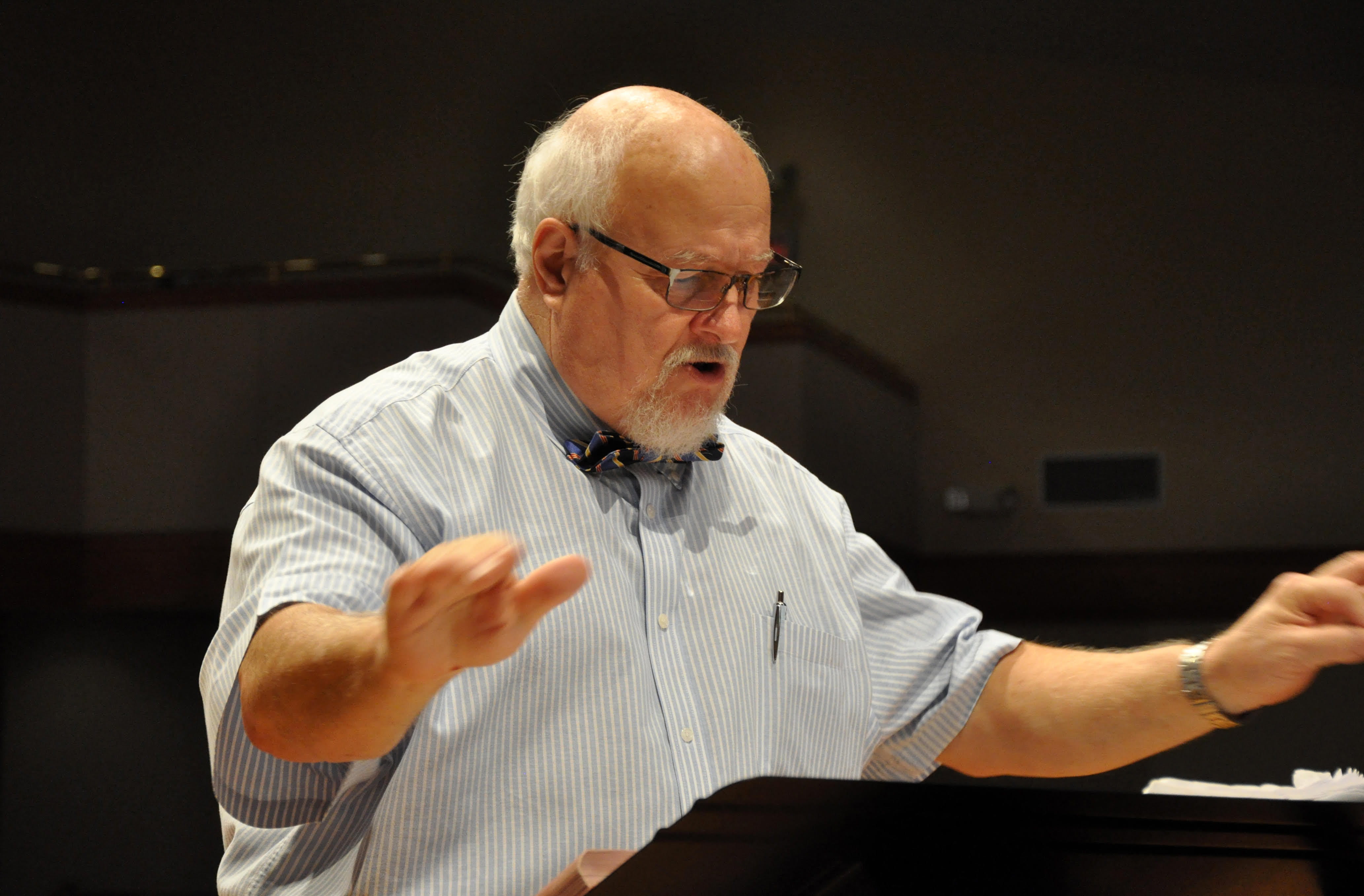
Ron Sinclair
I like going to church every Sunday morning. It helps center me for each new week. I love singing the hymns. The deep theological truths found in them challenge me to live my faith fully. I love much of the new music, with the disclaimer that too much of what I hear is nothing but fluff, echoing off the walls like entertainment. I love the liturgies that remind me of the deep tenets of faith I share with others worshiping with me. I love the friendships and the work we do together as we try to authentically walk in the footsteps of Jesus. I love how we are called to listen for the heartbeat of God in every aspect of our lives each and every day.
I can’t help but believe that if we truly try to live centered upon the belief that every thought is a prayer, and everything we do is an act of worship, we will be changed. And in our changing, others will be too. And filling the pews? It sure seems to me like it might be easier to bring folks in if they want to experience what they see in our changed selves.


[…] The Church […]
[…] The Church […]
[…] The Church […]
[…] The Church […]
[…] The Church […]
[…] The Church […]
[…] The Church […]
[…] The Church […]
[…] The Church […]