

BECKLEY, W.Va. – In a campaign speech in California on Friday, Nov. 4, President Joe Biden promised to shut down all of the coal plants in the United States. While it is no secret that the U.S. is working towards transitioning to a broader range of energy alternatives, in particular wind and solar according to Biden, his comment that “We’re going to be shutting these (coal) plants down all across America” has not set well in West Virginia’s Coal Country.
In this city in the heart of southern West Virginia’s coalfields, where “Friends of Coal” stickers seem to be on every pickup truck, Mayor Rob Rappold slammed Biden. He said, “Biden is so far off the tracks on so many issues, he can’t be viewed as anything but a senile clown in my opinion. To make the statement on shutting down coal mines in favor of green energy now – wind and solar power etc. – is not only ridiculous, but sadly further indicates how out of touch this guy is. He has a zero grasp on the importance of energy independence for our national security.”
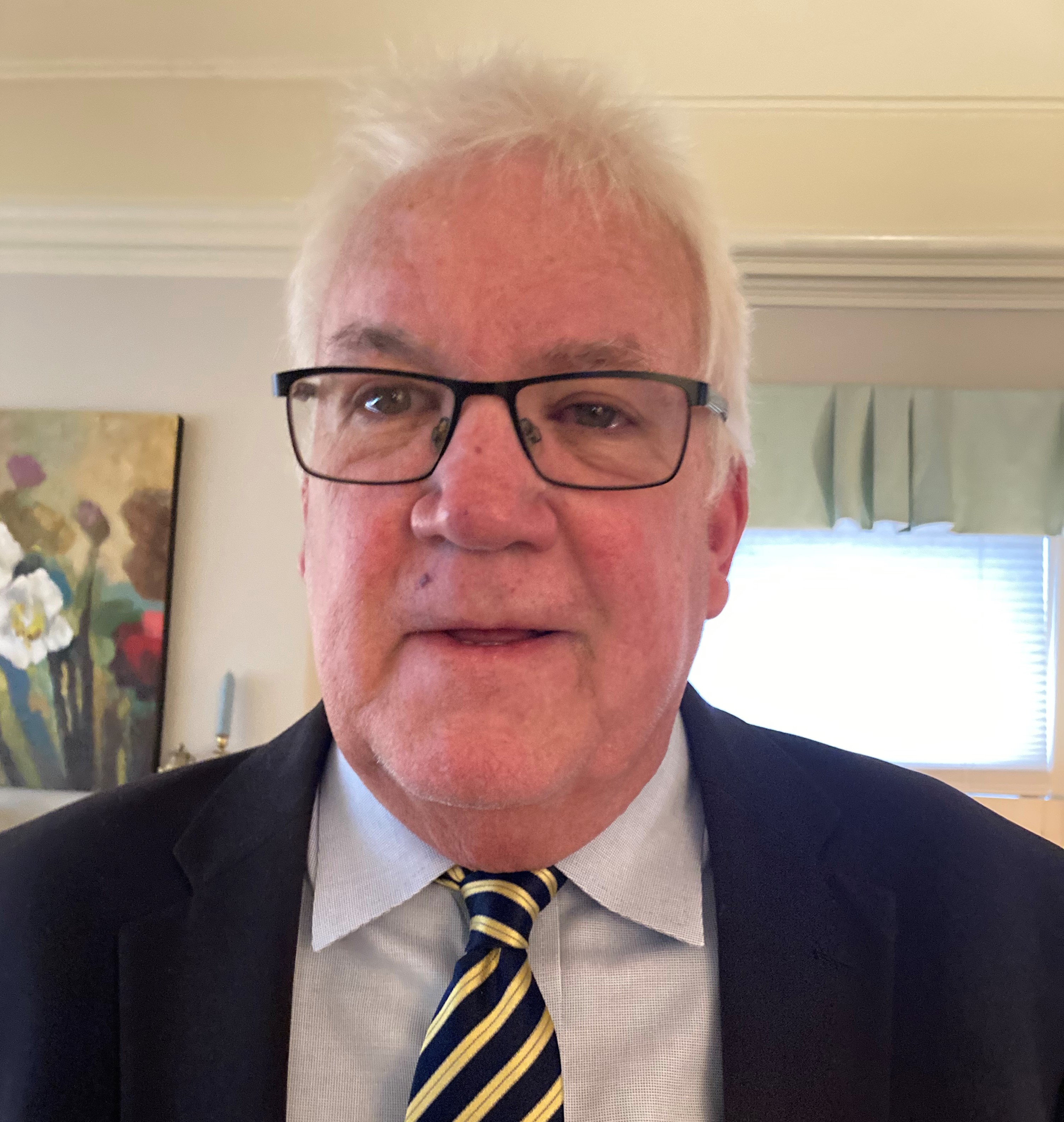
Rappold was first elected to Beckley City Council in 1989, serving until 2011, when he chose not to run again because of his business duties. In 2015, the mayor at the time asked him to serve as Recorder/Treasurer, which he did – subject to City Council approval – for two-and-a-half years. Though preparing to retire, the then-mayor and others asked him to consider running for mayor. He did so successfully in 2016 and was re-elected in 2020.
He points out he isn’t opposed to green energy, but says expecting to transition to it instantly is idealistic. ”It’s called reality at this point. I love green energy. I’d be thrilled to death if we could get away from anything that pollutes the air or water.” He continued, “We were on our way to energy independence. We have the coal, oil, and natural gas we need, but it’s been pushed aside. I have to ask, what in the hell is wrong with being energy independent? That’s what bothers me.”
Raleigh County and the county seat of Beckley are the center of West Virginia’s coal economy. Moreover, it is home to the Beckley Exhibition Coal Mine, which provides history buffs and tourists not only a tour of a once active coal mine, but also a replica of a coal company town.
The tours are led by retired coal miners, and they do not hesitate to talk about their years of strife with the coal companies to earn better pay, working conditions and pensions. But they also speak quite proudly of the work they did. It doesn’t take long for a visitor there to see just how dangerous and difficult – and inspiring – the work is.
Indeed, a visitor from Ohio wrote to Rappold recently. She shared that she had visited several other attractions in the area, including Hawks Nest State Park and the New River Gorge. However, it was a visit to the Exhibition Coal Mine that was “the highlight of our weekend trip” she wrote. She revealed, “We were early and greeted by Dorsel.” She told the guide she was claustrophobic. Though Dorsel and his partner promised they’d back out of the mine if needed, she admitted, “I survived the entire tour.” She continued, “Dorsel was so awesome and considerate.” She admitted to hugging Dorsel and concluded, “Thank you for preserving such a significant part of our history ….”
Rappold also took Bishop Mark Brennan of the Wheeling-Charleston Diocese on a tour at the suggestion of a deacon shortly after Brennan became the Catholic bishop for West Virginia. Rappold said. “It was something which I was more than happy to do.” Rappold said Brennan was engaged and asked several questions to gain a better understanding of the work of coal miners.
‘Essential Americans’
West Virginian Homer Hickam’s book “Rocket Boys” – set in the 1950s – expertly captures the strained relationships between coal miners and their bosses, friction within and between families in coal towns, and the dark dangers lurking below the earth. The book was made into the 1999 movie, “October Sky.” Even though Hickam was determined to avoid working in the mine of his hometown of Coalwood and his father died from black lung disease as a result of his work in the mines, Hickam nevertheless referred to coal miners as “‘Essential Americans” in the liner notes he wrote for the album “Coal,” a musical tribute by another West Virginian, Kathy Mattea.
Responding to that description offered by Hickam, Rappold observed, “Biden has no understanding of the working class. He has no understanding of what it takes and he certainly has no understanding of the West Virginia coal miner and what they suffered physically and mentally to make this nation safe and a world power.”
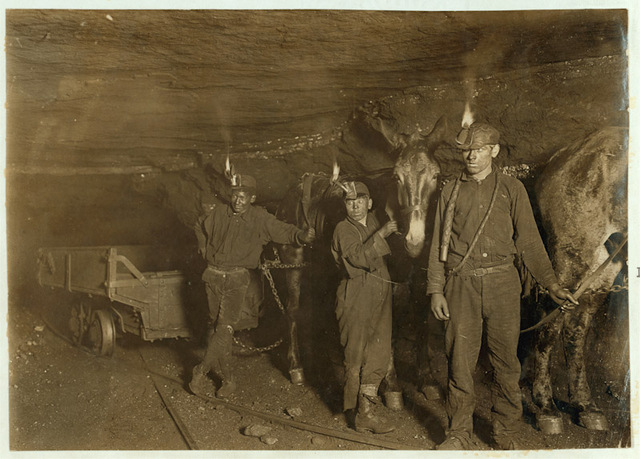
Despite the thousands of jobs lost in the coal industry, Rappold says, “In my mind, it is an economic circle of life.” He pointed out that the textile, furniture and chemical industries have been through the same transition. He offers, “The only thing I can say about coal miners and those in related industries is that they have found a way to capitalize on the great experience they had. It has been a gradual decline. It didn’t happen five years ago. It didn’t happen 20 years ago.” He pointed out that coal seams – especially the most profitable – replaced workers through mechanization. “The handwriting was on the wall. But with their work ethic and intelligence, they’ve gone on to other careers.”
Still, he acknowledges that not all residents are experiencing success during the economic transition. “No doubt inflation has taken a toll, especially among those who were suffering before – especially food and heating costs.” But he adds, “Here in Beckley, we are very compassionate, almost to a fault, providing for the homeless, through shelters, churches, soup kitchens and companies and utilities providing extension for bill payments. I think we’re doing about all we can. We’ll continue to respond as the situation requires.”
Though irate at Biden, he remains fully confident in his constituents. “Beckley continues to be well poised as the center of commerce in southern West Virginia. We have three major hospitals, we are a retail and tourist center. We’re a city of 17,000 in a county of 70,000 people, but we have 250,000 transient visitors daily. Our city revenue numbers prove that we’re very healthy financially. We’re a crown jewel right now, largely because of the work ethic and adaptability of our displaced coal miners.”
© Michael M. Barrick, 2022.
 Appalachian Chronicle