
Honoring workers as Labor Day approaches
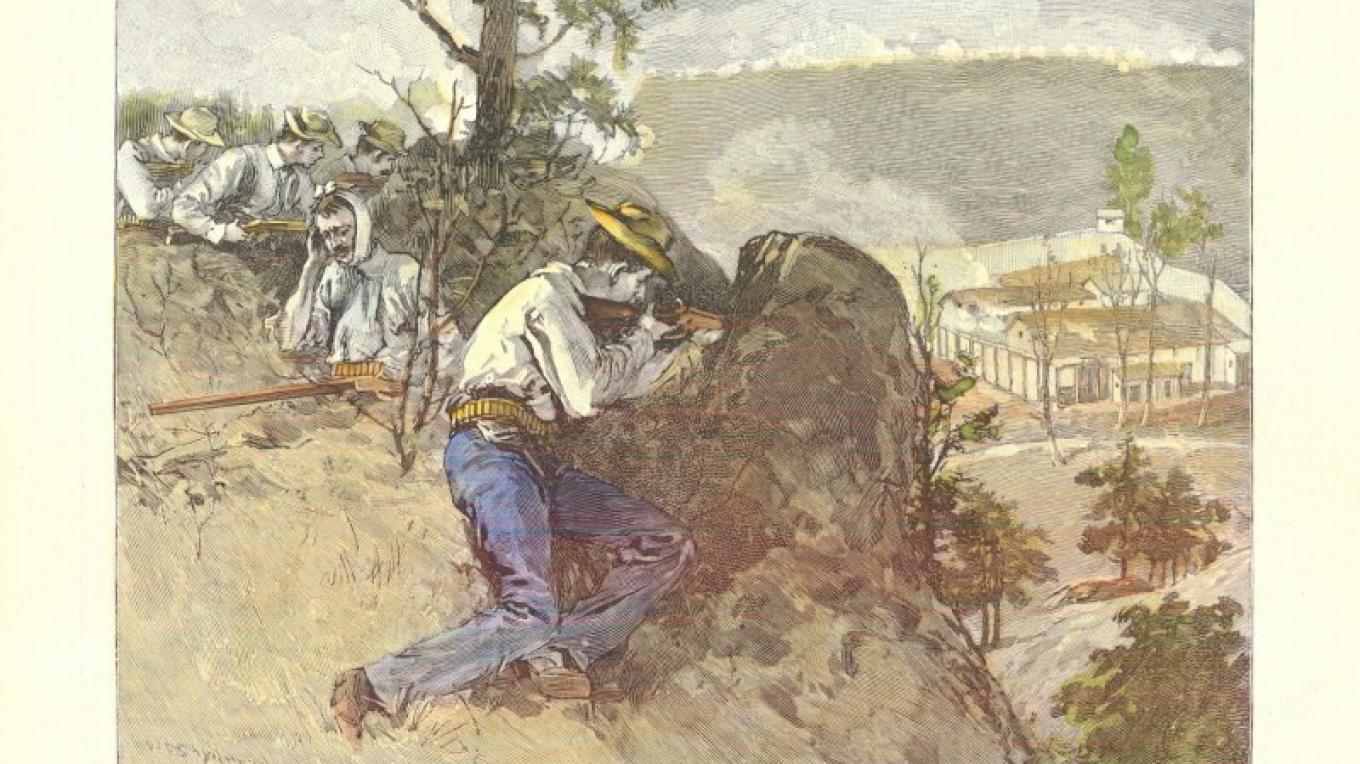
BLAIR MOUNTAIN, W.Va. — According to the West Virginia Encyclopedia, on Aug. 25, 1921, Coal Miners weary from the conditions and conduct of the coal operators and their lawmen minions like Logan County Sheriff Don Chafin and Baldwin-Felts “detectives,” began to arrive here, planning to march in order to demand the right to form a Union. It is generally considered the culmination of the West Virginia Mine Wars. Actually, it was only the beginning. There is more to the story. A lot more.
When Appalachian history is inconveniently true, it is also conveniently ignored by the “Gatekeepers.”
Fortunately, West Virginia Sociologist Wess Harris has edited two books, collected stories, artifacts and primary-source interviews. Including but going beyond The Battle of Blair Mountain, his comprehensive collection – the Our Story Traveling Museum – reveal many hidden gems and stories about the attempt to unionize the coal fields, such as the terrorism carried on through institutionalized rape by mine managers and others.
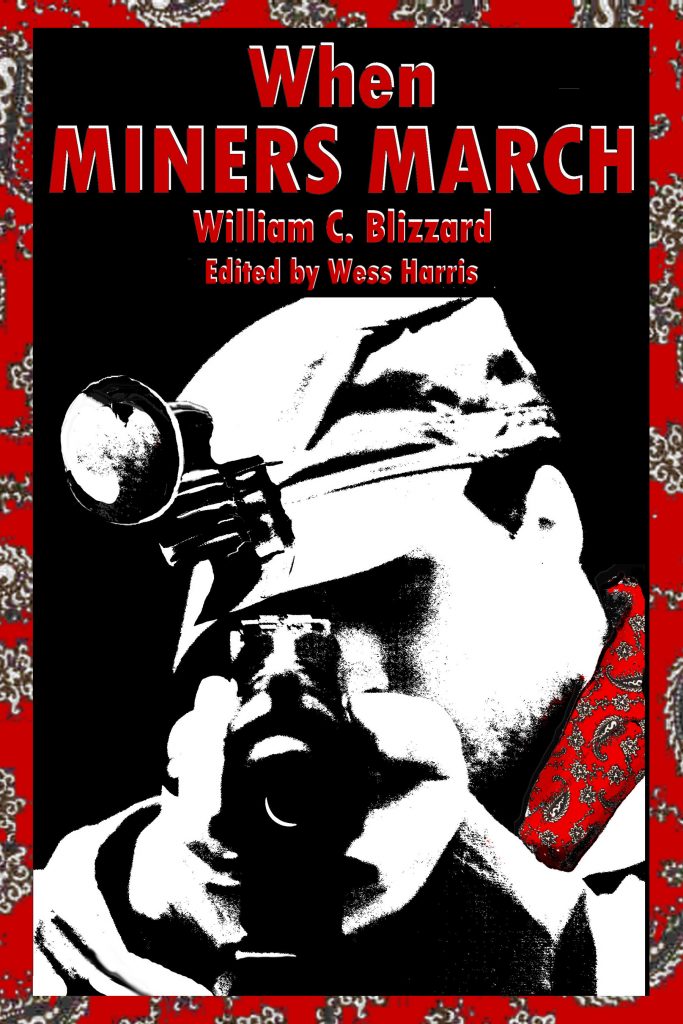
For those interested in knowing “the rest of the story” about what Harris calls the Appalachian War of Extraction, the first three articles below will be a start; you may want to pick up his books, “When Miners March” and “Written in Blood: Courage and Corruption in the Appalachian War of Extraction.”

The fourth article below was written shortly before the passing of Boomer Winfrey; his willingness to be interviewed just days before his passing reveal how deeply he cared about making sure that people knew that the resistance to dirty deals that were harbingers of the crony capitalism that coal miners have fought since throughout the industry’s history.
Who Tells Our Story
Who Tells Our Story? Are Self-Anointed Caretakers of Appalachian History Hiding the Truth?: When Appalachian history is inconveniently true, it is also conveniently ignored by the “Gatekeepers,” as happened at East Tennessee State University’s Center of Excellence for Appalachian Studies and Services (CASS). This account is the epitome of this failure of initiative and leadership by the those expected to safeguard the history of Appalachia’s people.
Written in Blood: Courage and Corruption in the Appalachian War of Extraction
Wess Harris Reveals His Unlikely Path as Curator of ‘An Incredible History that Hasn’t Been Told’: The story behind the chance meeting that led to a lifelong turn of the work of Wess Harris.
The History of the Our Story Traveling Museum
The Rest of the Story: The ‘When Miners March Traveling Museum’ by Sociologist Wess Harris: Includes references to two books edited by Wess Harris: “When Miners March” and “Written in Blood: Courage and Corruption in the Appalachian War of Extraction.” Both are must reading for any person wishing to understand the whole, sordid story of the tactics of coal operators.
The First Coal Wars: In East Tennessee, the Use of Prison Labor as Strike Breakers and Strikes by Coal Miners in Response, well Before Unions Existed
The First Coal Wars and the Convict Lease System – Preserving the Teaching of ‘Boomer’ Winfrey: Institutional racism is theme of this account. It is a rare glimpse at the key moment when coal miners decided to defend themselves against coal operators using black-majority prison labor in place of the miners.
© Michael M. Barrick, 2024. If you are interested in knowing more or getting copies of books from Harris, send me an email to michaelbarrick56@gmail.com and I’ll connect you with him.
 Appalachian Chronicle
[…] West Virginia Mine Wars – Wess Harris Pulls No Punches in His ‘Our Story Traveling Museum’ […]