The Appalachian Chronicle is a publication of Grassroots Appalachia, LLC of Lenoir N.C.
The first priority of the Appalachian Chronicle is to tell the story of Appalachian people and communities, especially right here in Lenoir. Hearing the stories of our neighbors is the first step to connecting to one another and cultivating our traditions and folkways.
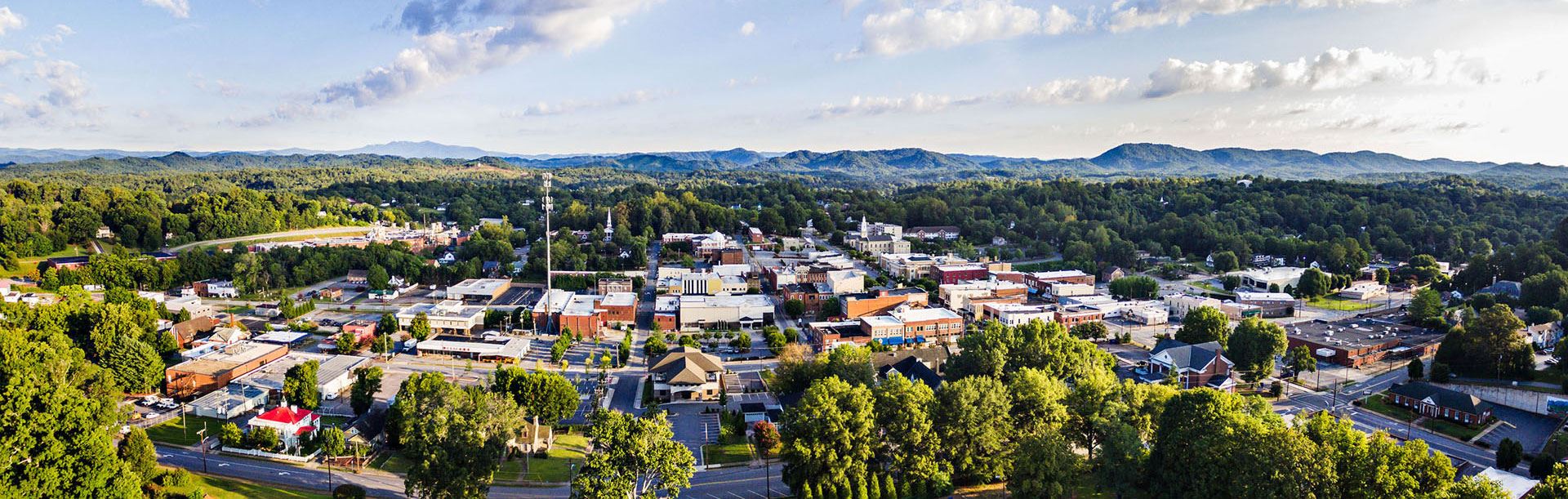
Based in Lenoir, N.C., and working also from Central West Virginia, we report upon current events, mountain folkways, energy & the environment, music, art and news-makers in Appalachia and beyond. Through the work of our writers, we recognize the root challenges facing the region to be economic disparity, human interior poverty, and ecological imbalances disproportionately affecting the poor, vulnerable and marginalized.
Our storytelling is also accomplished through action, in our case, through Grassroots Appalachia. Through partnering with experienced practitioners of Appalachian traditions with those of all ages wishing to learn everything from gardening to playing the fiddle, we are preserving our stories by preserving our priceless folkways – ways that will sustain communities and help individuals and families provide their own sustenance.
We learn much from each other through musicians, artists, poets, actors and directors, potters, sculptors and others involved in the creative and performing arts. We are committed to creating established artisans with those seeking to learn ways to establish their own cottage industries, including through a Fair Trade Arts & Crafts retail space.
Our Social Enterprise Model
The Appalachian Chronicle is a private business. In our current economic and social environment, the gap in services points to room for an additional model to serve the region. That is the Social Enterprise free market model. We measure success not by bottom-line profit alone, but also upon the impact that we and our partners have upon people, communities and the earth that sustains us. Naturally, we need revenues to exceed expenditures to sustain ourselves; yet, our ultimate “bottom line” measurement is evidence of improved lives for those people and communities we work alongside.

© Michael M. Barrick, 2026

